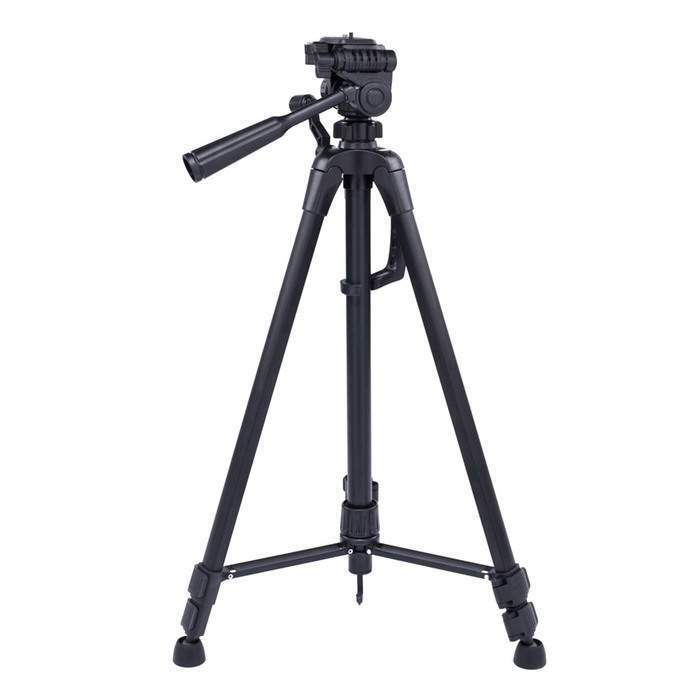
5 Reasons Why a Tripod is Essential for Stunning Photography
When it comes to capturing stunning photography, a tripod is more than just an accessory; it's an essential tool. Here are five reasons why:
- Stability: A tripod eliminates unwanted camera shake, ensuring that every shot is sharp and clear. This is particularly crucial in low-light conditions or when using longer exposure times.
- Compositional Control: Using a tripod allows photographers to take their time in composing the perfect shot. It provides a stable platform, enabling precise adjustments to framing and an overall more thoughtful approach to photography.
- Versatility: Whether you're shooting landscapes, portraits, or macro photographs, a tripod can adapt to any situation. Many tripods come with adjustable legs and heads, allowing for creativity from various angles.
Additionally, tripods are invaluable for capturing long exposure shots, such as waterfalls or star trails. The stability they provide ensures that your images maintain clarity and avoid motion blur. Furthermore, they allow for consistent composition across a series of images, which is especially beneficial for time-lapse photography or panoramas.
In summary, investing in a quality tripod can elevate your photography game significantly. If you want stunning photography that stands out, a tripod is a must-have in your gear arsenal!
Counter-Strike is a popular multiplayer first-person shooter game that pits teams of terrorists against counter-terrorists in various objective-based modes. With its fast-paced gameplay and strategic elements, it has become a mainstay in competitive gaming. For those interested in elevating their mobile photography skills, check out the Top 10 iPhone photography accessories to enhance your shooting experience.
How to Choose the Perfect Tripod for Your Photography Style
Choosing the perfect tripod for your photography style is essential to enhance stability and creativity in your shots. First, consider the type of photography you engage in: landscape, portrait, or macro. Each of these styles may require different features. For landscape photography, a sturdy tripod with adjustable height is crucial, while portrait photographers might prioritize lightweight options for easy mobility. Macro photographers need tripods with precise adjustments for fine-tuning focus. Assessing your specific needs will help you narrow down the best choices available.
Next, think about the material and construction of the tripod. Options like aluminum are durable yet portable, while carbon fiber provides excellent stability without the added weight. Weight capacity is another vital factor; ensure the tripod can support your camera and any attached gear. Additionally, look for features like a quick-release plate, adjustable legs, and a ball head for versatile positioning. By understanding your photography style and equipment needs, you can confidently select a tripod that not only meets your requirements but also elevates your photography game.
Can a Tripod Really Improve Your Photo Composition?
Using a tripod can significantly enhance your photo composition by providing stability and allowing for greater creative control. When you're shooting in low light conditions or using longer exposure times, a steady tripod prevents those unwanted shakes and blurriness that can occur with handheld shots. Composition becomes easier as you can take your time to frame your subject without the pressure of holding your camera steadily. Additionally, many tripods feature adjustable heads that permit a variety of angles and heights, enabling you to explore different perspectives that could elevate your photography.
Moreover, a tripod can encourage you to adopt more thoughtful compositional techniques. For instance, when you have a steady base, you can experiment with processes like rule of thirds, leading lines, or symmetry without the fear of losing quality in the shot. It gives you the freedom to try multiple angles, adjust your focus, and even shoot from unconventional positions. In essence, a tripod can transform the way you approach photography, leading to improved compositions that truly capture the essence of your subject.