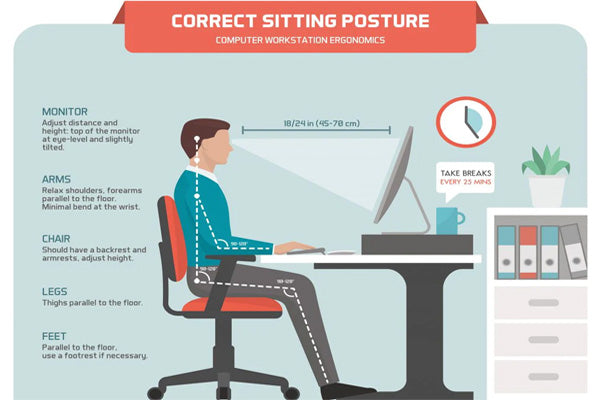
10 Essential Ergonomic Tips for a Healthier Workspace
Creating a healthier workspace is essential for maintaining both productivity and well-being. Here are 10 essential ergonomic tips to ensure you achieve that:
- Adjust Your Chair: Ensure your chair supports your lower back and allows your feet to rest flat on the floor.
- Correct Monitor Height: Position your monitor so that the top of the screen is at eye level to reduce neck strain.
- Use Proper Lighting: Adequate lighting will prevent eye strain and improve focus. Avoid glare from windows or overhead lighting.
- Keyboard and Mouse Placement: Keep your keyboard and mouse close enough to maintain a comfortable and natural posture.
- Take Regular Breaks: Implement the 20-20-20 rule: every 20 minutes, look at something 20 feet away for 20 seconds.
Implementing ergonomic tips is not just about furniture but also about your overall habits and workspace setup. Here are five more essential tips:
- Utilize a Document Holder: Keep documents at eye level to avoid neck and eye strain.
- Practice Good Posture: Sit up straight with shoulders relaxed and avoid slumping.
- Stay Hydrated: Proper hydration promotes optimal brain function and overall health.
- Incorporate Movement: Stand or stretch intermittently to keep your body active.
- Reduce Clutter: A tidy workspace can enhance concentration and reduce stress.
Counter-Strike is a popular first-person shooter game that pits teams of terrorists against counter-terrorists in various game modes. It has evolved over the years, with Top 10 Laptop Stands for Beds being essential for gamers looking to enhance their comfort while playing. The strategic gameplay and competitive nature of Counter-Strike have made it a staple in the esports community.
How to Choose the Right Ergonomic Chair: A Comprehensive Guide
When it comes to choosing the right ergonomic chair, understanding the unique needs of your body is essential. Start by considering the adjustability features of the chair. Look for a model that allows you to modify the height, armrests, and backrest angle to suit your posture. An ideal ergonomic chair should support the natural curve of your spine while providing adequate lumbar support. Additionally, the materials used in the chair should promote breathability and comfort, ensuring you can sit for extended periods without discomfort.
Next, evaluate the mobility and stability of the chair. A good ergonomic chair should have a sturdy base with five wheels or casters that allow for easy movement across the office floor. Check whether the seat is designed with a width and depth that suits your body type; a seat that is too deep or shallow can cause instability or strain. Finally, consider your budget—there are many ergonomic options available at various price points, so find a balance between quality and affordability that fits your needs. Investing in the right ergonomic chair can lead to better posture, increased productivity, and reduced discomfort throughout your workday.
Are You Sitting Correctly? Common Mistakes in Ergonomics and How to Fix Them
Many individuals spend hours sitting at their desks without considering the impact of their ergonomics on their overall health. Common mistakes include slouching, using an incorrectly positioned monitor, and inadequate lumbar support. For instance, when your chair height is not adjustable, it's likely your feet do not rest flat on the ground, straining your back and legs. Correcting these habits starts basic: ensure your chair supports your lower back, your knees are at a 90-degree angle, and your feet are flat on the floor.
Furthermore, the alignment of your computer monitor plays a crucial role in maintaining ergonomic integrity. If your monitor is too high or too low, it can lead to neck strain and discomfort. Follow these simple steps:
- Position your monitor so that the top of the screen is at or just below eye level.
- Place your monitor about an arm's length away, ensuring it's directly in front of you.
- Consider using a monitor stand if necessary to achieve the right height.