Exploring Innovative Charging Solutions: What’s Next in Sustainable Energy?
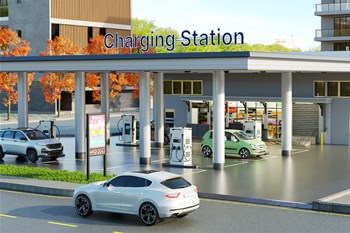
As the world grapples with the pressing challenges of climate change, innovative charging solutions are emerging as key players in the transition to sustainable energy. Recent advancements have introduced technologies such as wireless charging, solar-powered charging stations, and fast-charging grids that significantly enhance the efficiency of energy consumption. For instance, the integration of solar panels into charging infrastructure not only provides a renewable energy source but also reduces reliance on fossil fuels. Moreover, smart grid technology is paving the way for a more flexible and responsive energy distribution system, allowing for real-time monitoring and management of energy resources.
Looking ahead, the future of sustainable energy lies in the development of battery technology and energy storage solutions that complement these charging systems. Innovations like solid-state batteries promise to deliver higher energy densities and faster charging times, addressing some of the limitations of current lithium-ion technology. Additionally, the rise of vehicle-to-grid (V2G) technology enables electric vehicles to act as energy storage units, feeding back into the grid during peak demand periods. As these charging solutions evolve, they not only demonstrate the potential for reducing carbon footprints but also inspire a broader movement towards a cleaner, more sustainable energy ecosystem.
Counter-Strike is a popular team-based first-person shooter game that has captivated players since its initial release. Players engage in tactical combat as terrorists and counter-terrorists, with various game modes such as bomb defusal and hostage rescue. For gamers on the go, finding reliable accessories can enhance the experience; for example, check out the Top 10 Compact Travel Chargers to ensure your devices are powered up during intense gaming sessions.
How Do Electric Vehicle Charging Stations Work? A Deep Dive
Electric vehicle charging stations are essential infrastructure enabling the efficient operation of electric vehicles (EVs). Understanding how these stations work involves recognizing the components of the charging process. Typically, an EV charging station consists of a power source, a charging unit, and a connector that interfaces with the vehicle. The charging process begins when the user plugs their vehicle into the station. The charging unit then communicates with the vehicle to determine the appropriate charging method and power level, ensuring that the battery receives the correct voltage and current necessary for optimal charging. This communication is crucial as it helps to prevent overcharging, which can damage the battery.
There are different types of EV charging stations, categorized mainly into Level 1, Level 2, and DC Fast Charging. Level 1 stations are typically standard household outlets, providing a slow charge suitable for overnight charging. Level 2 stations are more commonly found in public areas and offer faster charging times, making them ideal for short stops. Finally, DC Fast Charging stations can deliver a substantial amount of power quickly, enabling drivers to recharge their vehicles in a matter of minutes rather than hours. Understanding these differences is essential for EV users to effectively plan their charging needs.
Are Wireless Charging Technologies the Future of Convenience?
The rapid evolution of technology has paved the way for wireless charging technologies to become a focal point in discussions around convenience in our daily lives. With the elimination of tangled cords and the hassle of plugging devices in, wireless charging offers a seamless way to power our gadgets. Imagine the ease of simply placing your smartphone on a charging pad as you walk into your home or office. From smartphones to smartwatches, the adaptability of wireless charging is evident, suggesting that it may indeed be the future of convenience.
As we move towards a world increasingly reliant on mobile devices, the wireless charging technologies are not just a novelty; they represent a significant shift in how we interact with our devices. For instance, consider the integration of charging stations in public spaces, such as cafes and airports, which allows users to charge their devices while on-the-go without being tethered by wires. Moreover, advancements in this technology could lead to even more innovative solutions, such as charging through surfaces, enhancing user experience and reshaping our expectations of accessibility and convenience.