How Does Power Delivery Work? Understanding the Technology Behind Fast Charging
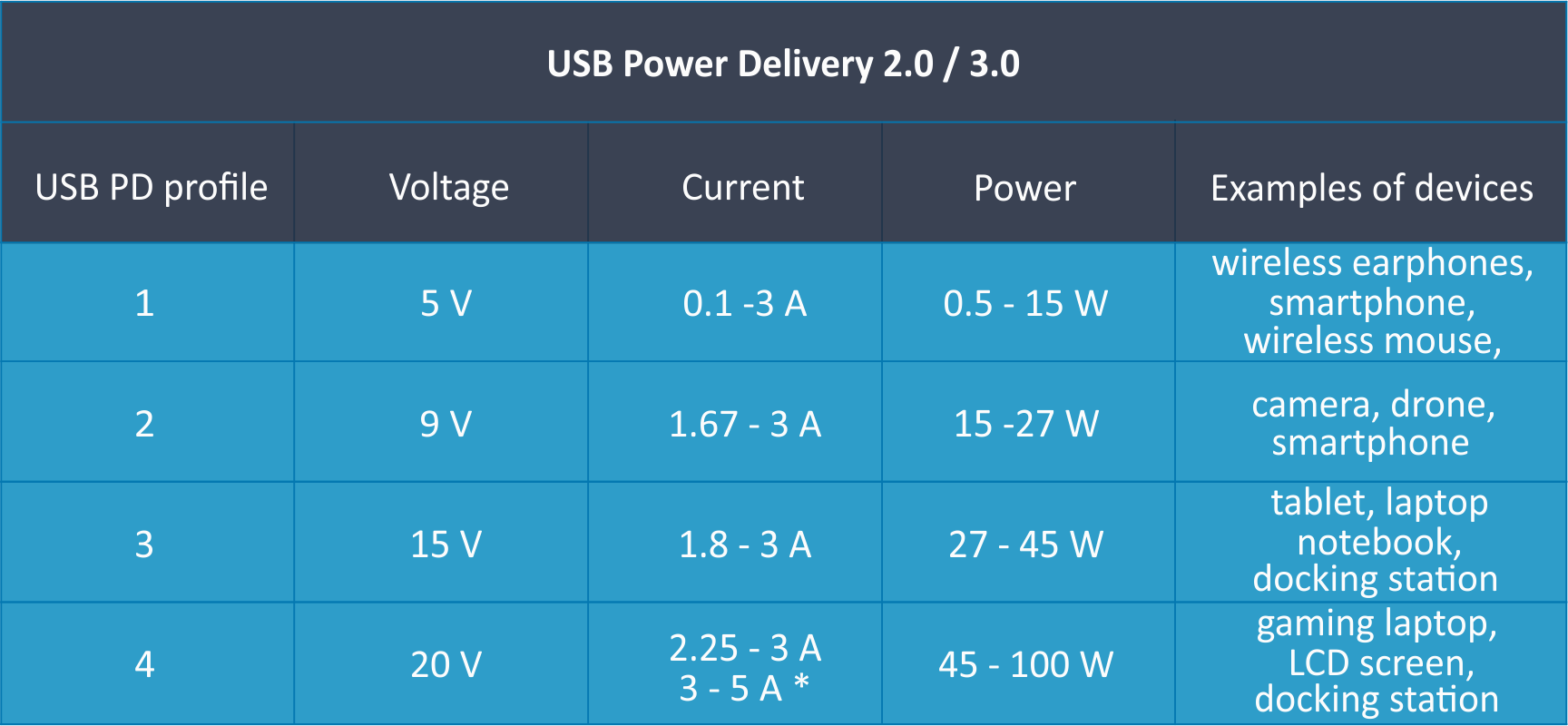
Power Delivery (PD) is an advanced charging technology that enables faster and more efficient power transfer between devices. At its core, it utilizes a universal USB-C connector to deliver higher power levels, making it suitable for a range of devices, from smartphones to laptops. This is achieved through a protocol that communicates the power needs of a device, allowing it to request the optimal wattage from the charger. For example, while traditional USB charging might deliver 5 watts, Power Delivery can increase this to as much as 100 watts, depending on the compatibility of the devices involved.
One of the key features of Power Delivery is its ability to dynamically adjust the voltage and current being delivered, ensuring that devices are charged as quickly and safely as possible. When a device is connected to a PD charger, it communicates its voltage and current requirements, and the charger responds accordingly. This not only enhances charging speed but also reduces heat generation, making it a safer option for both the device and the charger. As a result, Power Delivery has become a significant aspect of modern gadgets, providing users with a seamless and efficient charging experience.
Counter-Strike is a popular series of multiplayer first-person shooter games that has been a mainstay in competitive gaming since its debut in 1999. Players compete as terrorists or counter-terrorists across various maps and game modes, with the objective of completing mission goals or eliminating the opposing team. Its enduring popularity is reflected in numerous tournaments and a dedicated player base. If you’re looking to keep your devices charged quickly, check out the Top 10 fast chargers for iPhone to ensure you're always ready for action.
The Impact of Voltage and Current on Charging Efficiency: What You Need to Know
The charging efficiency of electronic devices is significantly influenced by voltage and current, two fundamental electrical parameters. Voltage, measured in volts (V), determines the potential energy available to push electrons through a circuit, while current, measured in amperes (A), indicates the flow rate of these electrons. When considering efficient charging, it is crucial to strike the right balance between these two elements. Higher voltage can lead to faster charging times; however, it may also result in increased heat generation, which can damage batteries over time. As such, understanding the optimal voltage and current specifications for your devices is essential for maximizing efficiency and extending battery life.
In practical applications, many modern chargers are designed to automatically adjust current and voltage based on the needs of the device being charged. For example, a smartphone charger may deliver a variable output depending on the device's state of charge. This technology not only improves charging efficiency but also reduces the risks associated with overcharging. Users should pay attention to the specifications of both their chargers and devices, as adhering to recommended charging levels can lead to enhanced performance and longevity. By understanding the impact of voltage and current on charging efficiency, consumers can make informed decisions for their electronic devices.
Is Your Device Getting the Best Charge? Exploring the Factors That Affect Power Delivery
In today's fast-paced digital world, ensuring that your device is receiving the best charge is crucial for optimal performance. Several factors come into play when it comes to power delivery, including the type of charger used, the device's compatibility, and the quality of the charging cable. For instance, using a charger with a higher wattage than recommended may result in faster charging, but it can also pose risks to the device if it's not designed to handle the increased power. Moreover, the age of the battery and environmental conditions, such as temperature, can significantly affect how efficiently your device charges.
To make sure you are getting the best charge, consider the following tips:
- Use the original charger and cable that came with your device.
- Check for compatibility with third-party accessories and look for those that meet industry standards.
- Avoid charging in extreme temperatures, both hot and cold, to maintain battery health.